Project
AutoMate
Part 1 — From Product Strategy to Redesigning the Service
At the time when e-commerce has been fiercely competed if not already saturated in almost every market, from food, travel, to fashion, there was at least one market awaiting its digital transformation — automotive services. With its complexity by nature, the market’s digitalisation hasn’t gone far beyond online directory or media publishers. AutoMate has made an attempt on digitalising the automotive services, beginning with aggregation and service booking.
Market Overview
With thousands of automotive service providers in the city, most of them are highly specialised and not in direct competition with each other. That said, the market is essentially highly fragmented, with each provider serving its very niche group of customers or very specific needs, and that has been viable for many of them. That is also believed to be the main reason why the observable marketing channels are limited and largely rely on word-of-mouth, which does not equal to a high level of trust but again more likely a result of the market fragmentation.
The User Story
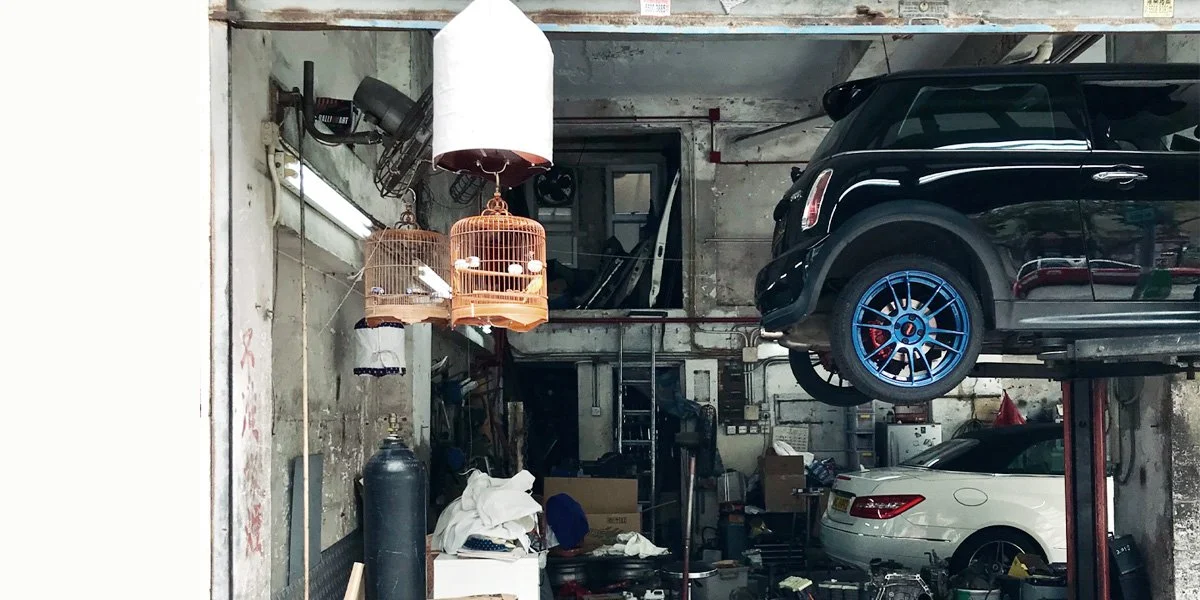
Despite of the apparent openness of the automotive service industry that car owners seemingly free to choose the service providers as they want, the information that aid their decision was far from open.
The distinctive specialty for each automotive service provider alongside reputation and pricing are the factors that customer making choices in the fragmented market. That means the lack of transparency of these information would result as barrier for certain customers, especially those of fewer experiences. So apart from the costs of the maintenance service, there is a high information cost keeping the customers from getting a satisfactory experience.
Typically it is the first step for e-commerce to gain its early adopters by delivering the transparency of service quality, and it was also the case for AutoMate.
Framing the Problem
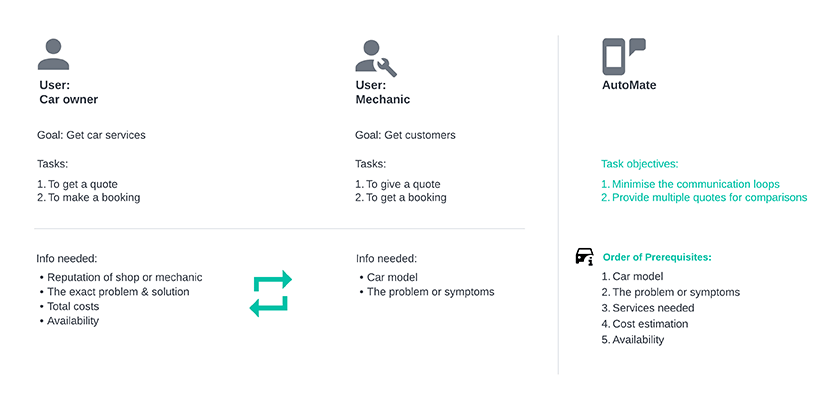
The problems faced by providers and customers as illustrated are centred by the trust issue — that is the core problem that the product should focus on. And the very first step was to opening up the choices for customers, and facilitate the service booking process by providing a pricing references without commitment to the final purchase decision.
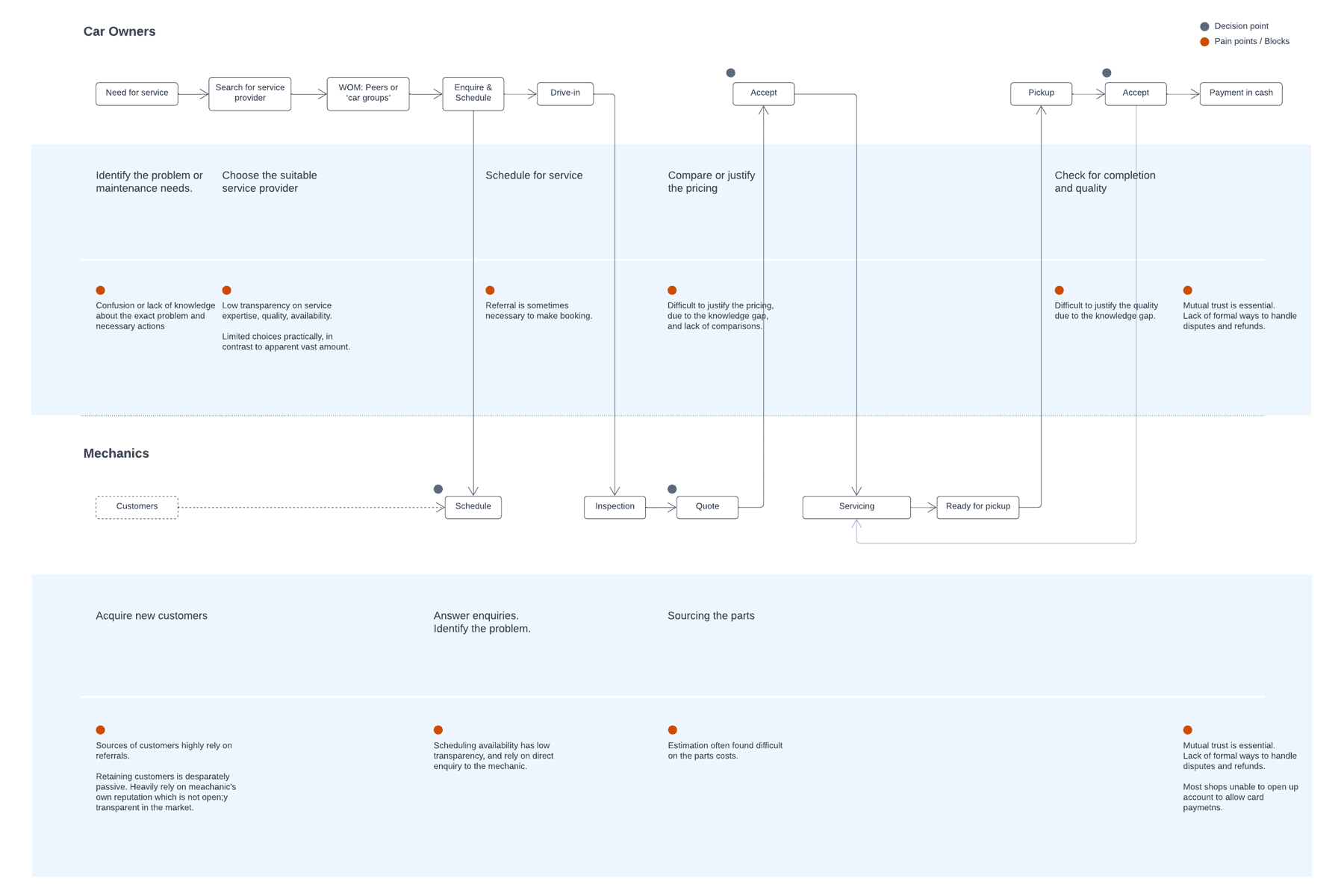
Needs, pain points and blocks that occur to users when booking for service in the conventional way.
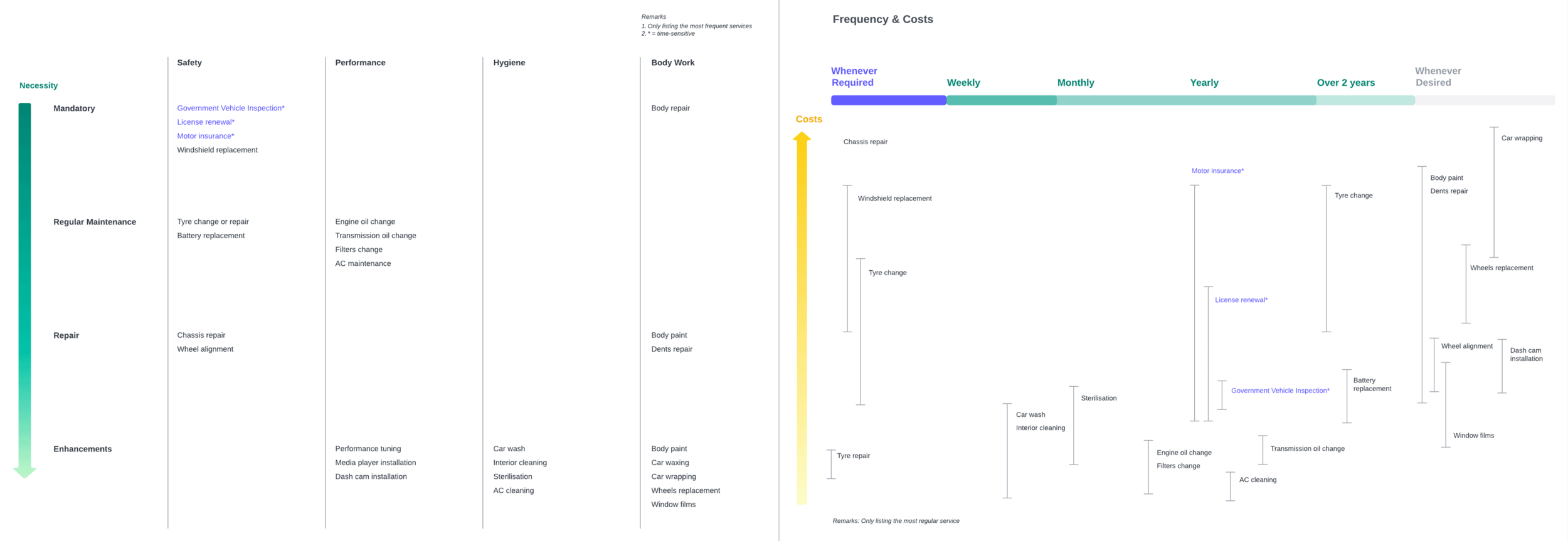
Mapping of common services by necessity & types (left), and by frequency & costs (right).
MVP – the first attempt, results and feedbacks
By aiming at the core problem, the MVP has only one main feature — a quotation flow for preliminary price comparison.
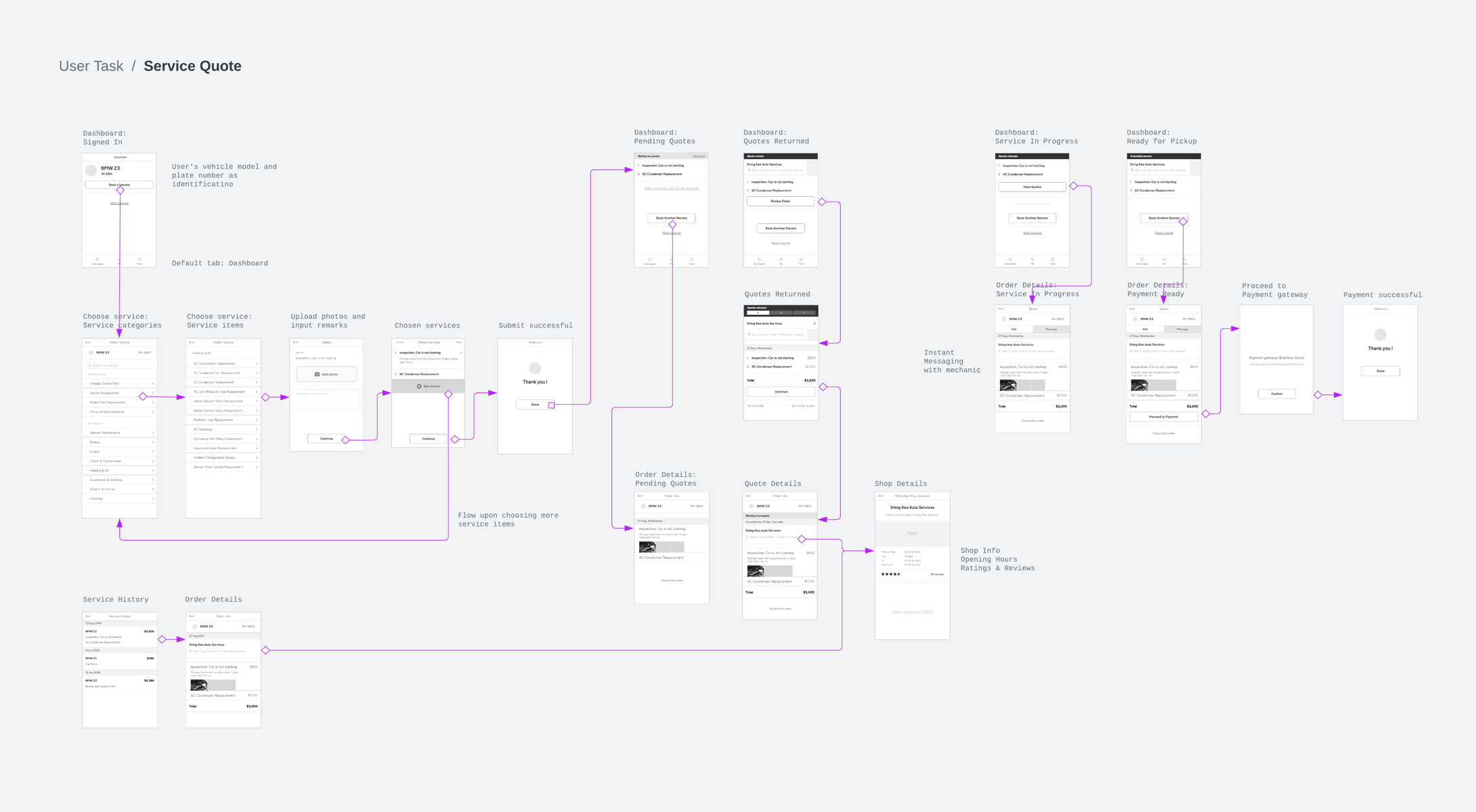
(Excerpt) Wireframes of the service quotation flow, for the very first version MVP.
Knowing the Users
Releasing version 1 as MVP had opened up the discovery of user needs on both ends. Feedbacks were collected through our customer service channel and also by conducting user interviews. Personas are very distinctive in terms of behaviours, needs, demographics, spendings, which provided a basis for the next product features. The findings also validated our target customers of family drivers and beginner drivers.
In the Search of Product-Market Fit
Another key component of any online marketplace is the product or service offerings. After validating our target customers, it shed lights on the key services, and how those services should be delivered.
Standardisation Sheds Light on Quality
When it comes to service offerings in automotive industry, the quality is vital. Without taking up the role as service provider, the best way to take certain control of the service quality would be minimising the variances behind the quality — and here came the exclusive offerings under the new feature “Standard-Price Services” — not only the pricing but also the supplies were standardised to achieve the ‘ownership’ of the service offerings. And as a result, a more transparent of the service offerings, meaning a more manageable customer experience.
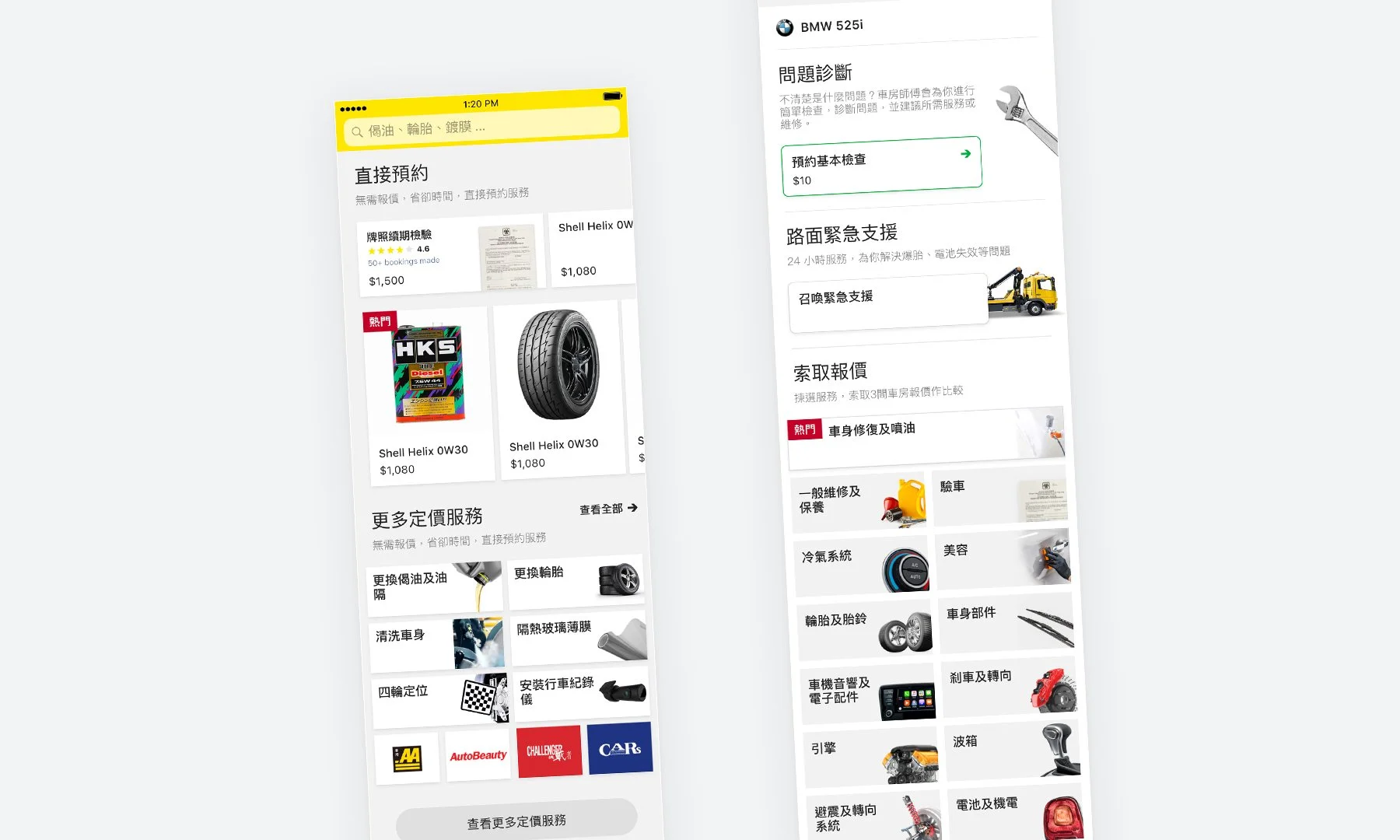
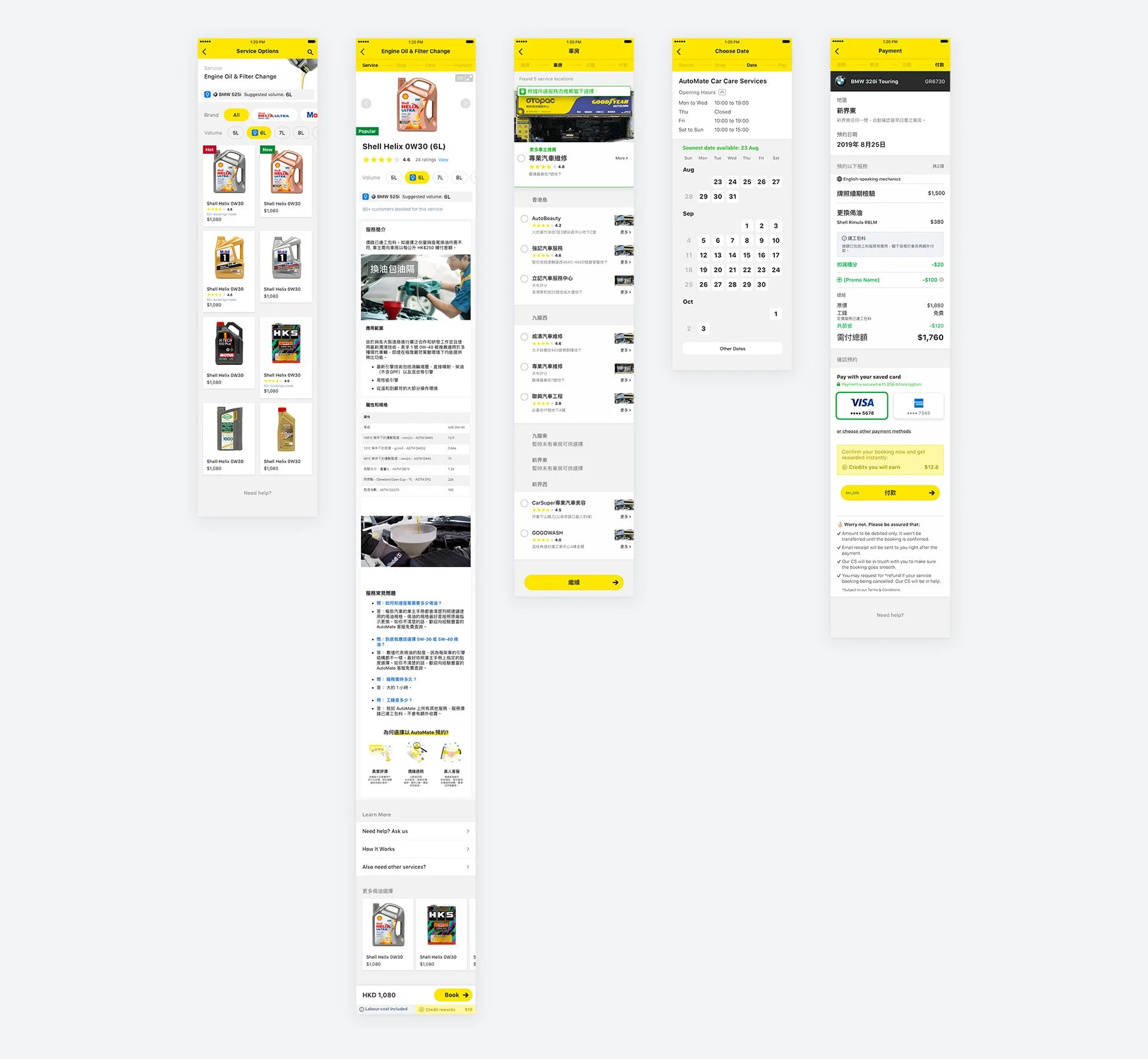
Key screens of Standard-Price Services
Measuring Values
Since the launch of the “Standard-Price Services” feature, the service booking flow has became properly visible and measurable like any other e-commerce funnel. One of the significant insights made visible was the variation in performances across different services. By breaking down into dimensions of customer segmentations, services, vehicle types & models, the analytic-driven approach has now led to more informed decisions for both user experience and marketing campaigns in this phase of the product design process.
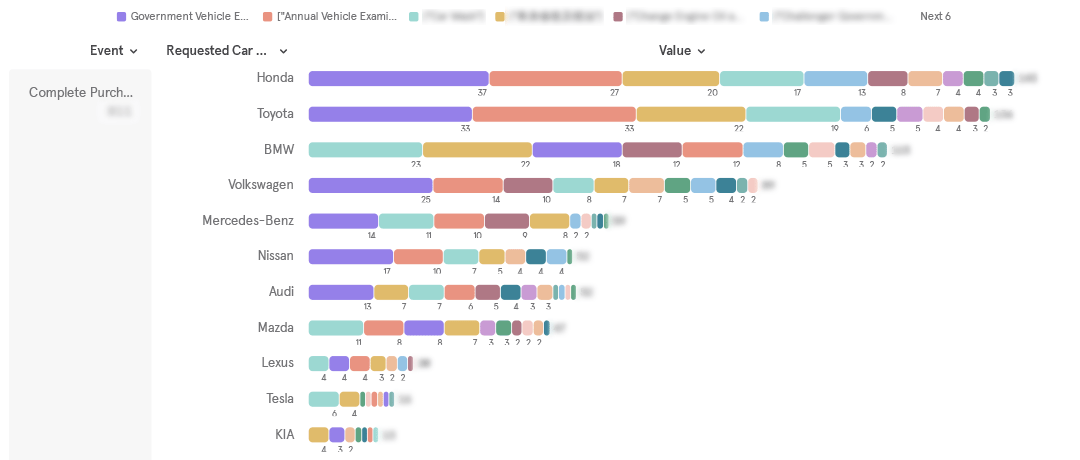
Segments, Segments, Segments
Similar to other e-commerce, the segmentations of customers and offerings, and the correlations between them provide evidences to find the optimisation and performance drivers. Whereas one of the uniquenesses about AutoMate is that the customer’s vehicle(s) exerts gravity on the purchase decision or preferences. The attributes of the vehicle are essential the additional dimension of segmentations, for instance, the vehicle year indicates the need of inspection service; the vehicle model relates to the price range of tyres likely chosen by the car owner. The continuous discovery of these microscopic insights are the key to product growth for AutoMate, all made possible by the “Standard-Price Services” feature.
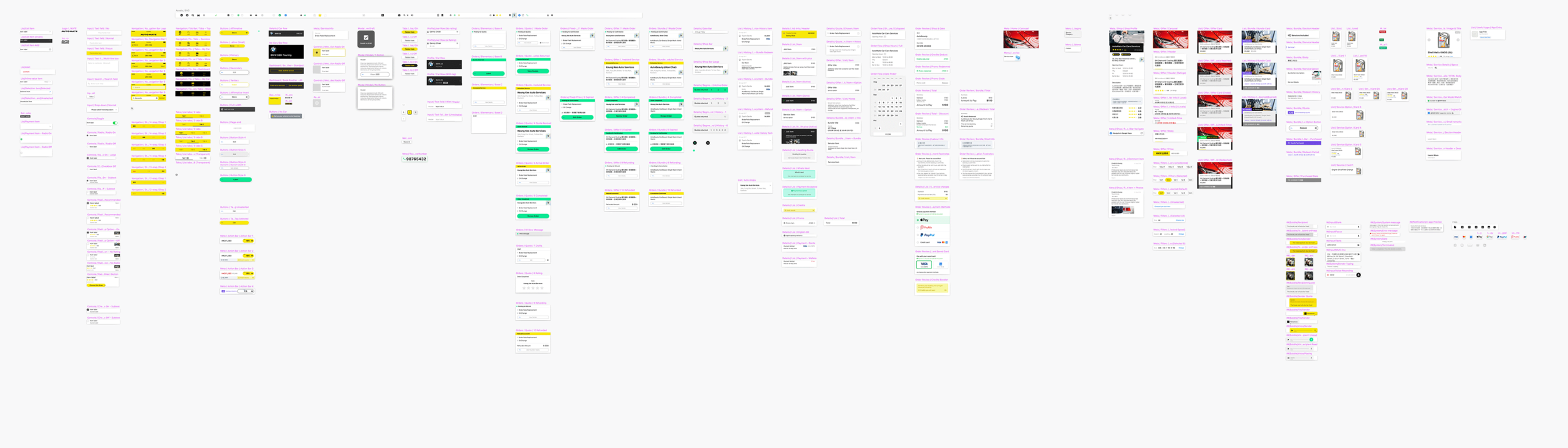
Design system (partial) of the AutoMate mobile app.
On Giving Life to Products
Product has its lifecycle, and possibly, hopefully without an end. Product always evolve, and as the creator / designer / manager, I give life to product, and give space for its growth, the space takes vision, sometimes imagination, the process was not entire rational but also intuitive. Given enough space, the product and the users tell you how it should grow, through empirical data and qualitative feedbacks, in a continuous process of evolution.